used vehicle powertrain warranty comparisons that protect your budget
A strong warranty on a used car doesn't add horsepower, but it can add confidence. I look for coverage that balances price, risk, and how long I plan to keep the vehicle. The differences between plans are quiet at first glance, yet they matter when a repair light flicks on.
What the powertrain really covers
It focuses on the expensive, go-forward bits - not the cupholders.
Drive system: driveshafts, CV joints, differential, transfer case, axle bearings.
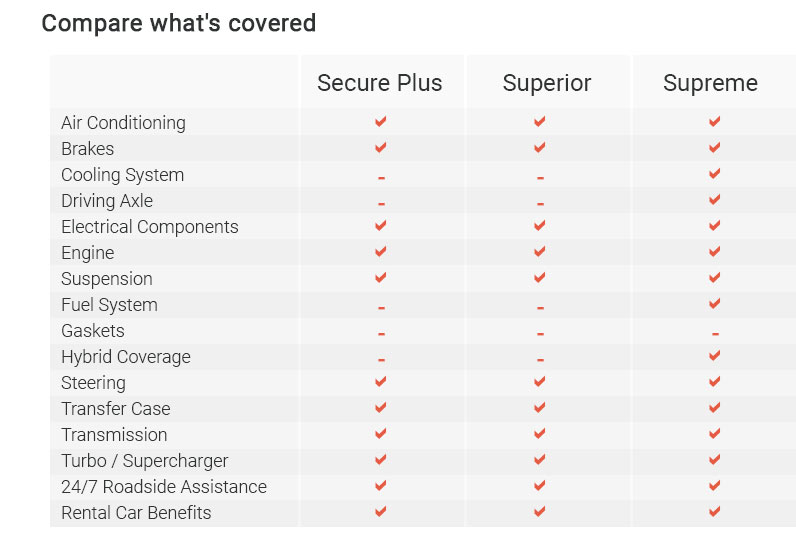
Sometimes: sealing and gaskets, cooling and fuel system pieces, mounts - depends on the contract.
Not typically: infotainment, interior, suspension wear items, brakes, glass.
Powertrain is narrower than "bumper-to-bumper," but it targets the parts with the biggest repair bills.
Why it matters more on a used car
Older components have history. Wear patterns. Unknown maintenance. A powertrain warranty can turn a surprise $3,200 transmission estimate into a manageable deductible. That's the real benefit: risk smoothing.
Small real moment: a cold morning at 78,400 miles, the check engine light taps on and the idle feels rough. The shop finds a failing high-pressure fuel pump tied to the engine drive. Pre-auth is approved, parts are overnighted, and you pay a $100 deductible instead of the full invoice. The trip you'd planned for the weekend still happens - just one day late.
Tradeoffs: term may be shorter than third-party, price baked into vehicle, service at brand dealers.
Dealer-provided limited warranty
Benefits: included at purchase, simple claims via the selling store.
Tradeoffs: narrow lists, lower payout caps, coverage can be short (e.g., 3 months/3,000 miles).
Third-party service contract
Benefits: customizable terms, usable at many licensed shops, add-ons like rental and roadside.
Tradeoffs: must read the contract; labor rate caps, pre-authorization rules, and exclusions vary widely.
Key differences that change real-world value
Diagnostics: Some plans pay to find the fault. Slight correction: many only cover diagnostic time after a covered failure is confirmed.
Seals and gaskets: Included by some, "only if failed with a covered part" by others.
Wear and tear: Normal wear may be excluded; enhanced tiers sometimes allow it.
Labor rate caps: If your shop charges $180/hr and the cap is $125, you owe the difference.
Deductible style: per repair vs per visit. Per visit can be cheaper if multiple items are addressed together.
Rental/roadside: Towing distance limits and daily rental caps can save (or cost) you real money.
Claim caps: Per claim, per component, or aggregate limits matter on big jobs.
Network rules: OEM dealer only, or any ASE shop? Ask before you break down, not after.
Transferability: A transferable plan can add resale value; some require a small fee.
Numbers to compare at a glance
Term: months and miles (e.g., 36/36k).
Waiting period: time and mileage before coverage begins.
Deductible: amount and type (per repair/per visit, disappearing deductible at the selling dealer).
Payout limits: per claim and total, plus labor rate.
Extras: rental, roadside, trip interruption.
Inspection requirements: pre-purchase or post-sale inspection, photos, maintenance records.
Hybrids and EVs: special notes
Hybrids: motor-generator, power-split devices, and reduction gear may be covered under powertrain; traction battery often has separate terms.
EVs: drive unit and gearbox can be included; high-voltage battery is usually a distinct warranty with its own diagnostics and capacity rules.
Thermal management: cooling pumps and exchangers sometimes fall into gray areas - check the definitions page.
How to choose well
Match the term to how long you'll keep the car; paying for 7 years when you'll own it 2 isn't "value."
Read the exclusions first, then the coverage list. Contracts are promises - and boundaries.
Call the claims phone number before buying. A two-minute hold time today beats a two-day delay later.
Confirm parts rules: new, reman, or used components; who decides; and whether you can pay the difference for OEM.
Check cancellation and pro-rata refund terms. Life changes; your contract should adapt.
Maintenance proof matters: oil change intervals, fluid specs, and receipts.
What can void or shrink coverage
Neglected maintenance or wrong fluids.
Aftermarket tunes and non-OEM calibrations; some plans allow mild mods with disclosure, but many don't.
Commercial or rideshare use if not declared.
Overheating or continued driving after a warning - shops can see the evidence.
Small print that saves big money
Betterment: if a repair leaves the car "better" than before, some plans share cost.
Consequential damage: coverage if a covered part damages an uncovered one (or vice versa) varies.
Taxes and shop supplies: paid by the plan or by you? It adds up.
Fluids: OEM-spec fluids may be required; they're not always included in the payout.
Quick side-by-side snapshots
Factory CPO powertrain: tighter network, strong diagnostics, usually lower hassle; term may be shorter.
Dealer limited: included, easy, but lean on breadth and dollars.
Third-party powertrain: flexible and often longer; read for labor caps, diagnostics, and seals/gaskets language.
A practical closing note
I used to think the lowest deductible was always best. Slight revision: a slightly higher deductible can make sense if the plan's labor rate cap, diagnostics coverage, and rental benefits are stronger. Choose the one that keeps a big failure from derailing your plans, not just the one with the flashiest term. If you're still comparing, skim a sample contract or two - five quiet minutes now can spare a loud weekend later.
https://clementpreowned.com/blog/powertrain-warranty
If you purchase a non-CPO pre-owned car, third-party companies may offer powertrain warranties based on the vehicle's age and mileage. Understanding powertrain ...